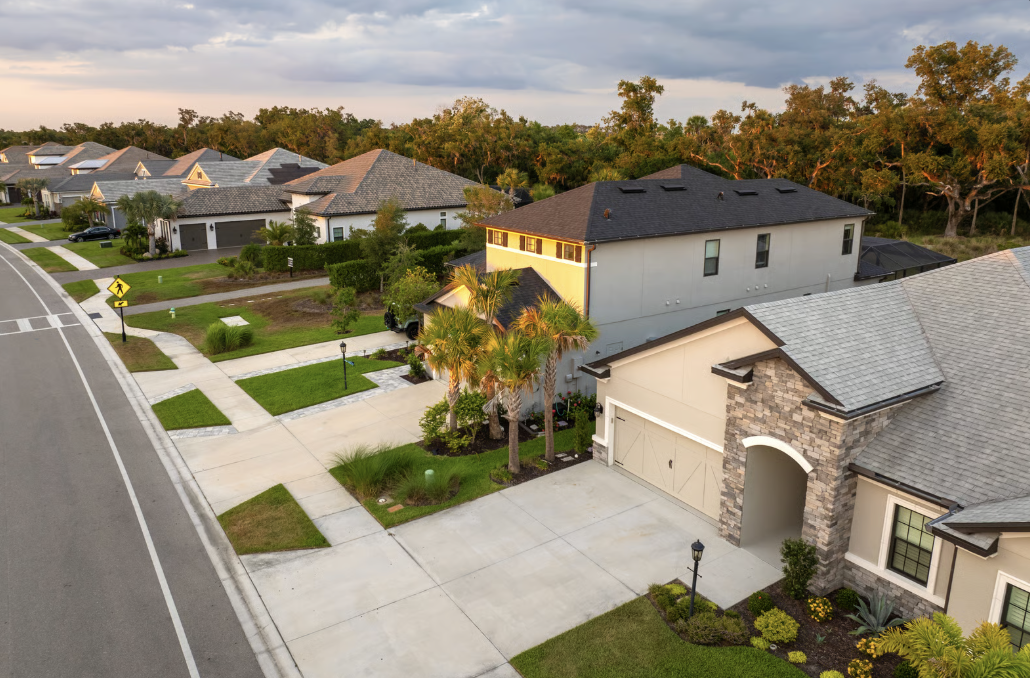
Managing a single-family rental portfolio presents challenges that do not typically exist when operating one apartment building. Properties may be distributed across different neighborhoods, cities, or states, while each home can have its own building systems, maintenance history, lease terms, and resident needs.
As a portfolio grows, informal processes that worked for a few properties can become difficult to manage consistently. Missed communications, delayed repairs, incomplete records, and poorly coordinated vendors can increase costs and affect resident satisfaction.
There is no single operating model that works for every portfolio, but investors and property managers can strengthen performance by focusing on communication, preventive maintenance, standardized processes, vendor management, and reliable data.
Strong communication helps residents understand what to expect and gives property managers an opportunity to identify problems before they become more serious.
An effective communication process should address two areas: providing timely information and listening to resident concerns.
Residents should receive clear information about matters that may affect their homes, including:
Whenever possible, communications should explain what is happening, when it will occur, whether the resident must take action, and whom to contact with questions.
Property managers should follow lease requirements and applicable laws governing entry, notices, rent collection, fees, privacy, and other communications. Requirements vary by jurisdiction, so a process that works in one market may need to be adjusted in another.
Residents should have a consistent way to submit maintenance requests, ask questions, and report emergencies. A resident portal or centralized service system can help document communications and route each issue to the appropriate person.
The process should clearly distinguish between routine and emergency requests. Residents should know where to report issues such as water leaks, loss of heat, electrical hazards, security concerns, or other conditions requiring an urgent response.
Resident feedback can reveal problems that may not appear in financial reports. Repeated complaints about the same vendor, appliance, building system, or communication process may indicate a broader operational issue.
Individual requests should be documented, but managers should also analyze feedback across the portfolio. A pattern affecting several homes may justify a portfolio-wide repair, vendor change, or process improvement.
Emergency repairs are often more expensive and disruptive than planned maintenance. A preventive-maintenance program can help protect property condition, reduce avoidable service calls, and extend the useful life of major systems.
Each property should have a record of its major components and expected maintenance needs, including:
Maintenance schedules should account for property age, equipment condition, manufacturer recommendations, climate, and local requirements. Homes in different regions may face very different risks involving freezing temperatures, hurricanes, flooding, wildfire, humidity, or extreme heat.
Every work order should be connected to the correct property, unit, resident, vendor, and building component. This creates a service history that can help management determine whether repeated repairs remain economical or replacement is the better option.
Useful information may include:
A recurring repair may indicate an underlying problem that requires a more complete solution.
Turnover planning should begin before the resident vacates whenever lease terms and applicable law allow. Early inspections, scope development, vendor scheduling, and material selection can reduce the time between residents.
A turnover plan may include:
Renovations should be supported by the property’s condition, target resident, expected rent, and investment strategy. Improvements do not automatically produce higher rent or a sufficient financial return.
Every rental home is different, but the operating process does not need to be reinvented for each property. Standardization can improve consistency, reduce errors, and make it easier to train employees and oversee third-party managers.
Processes that may benefit from standardization include:
Templates, checklists, and written procedures can help employees follow the same basic process across the portfolio. However, those procedures should account for applicable state and local requirements.
Resident-selection criteria, lease enforcement, fees, renewals, and other housing practices should be documented and administered consistently. Property managers should understand their obligations under fair-housing laws and other applicable federal, state, and local requirements.
Consistency does not mean ignoring individual circumstances. Certain accommodation or modification requests, legal protections, property conditions, or local rules may require a different response. Managers should obtain qualified legal guidance when necessary.
Property, lease, resident, maintenance, insurance, vendor, and financial records should be stored in a secure and organized system. Each property should have a complete and accessible history.
Centralized records can help management:
Access to sensitive resident and financial information should be limited to authorized parties. Property managers should also maintain appropriate data-security, retention, and disposal practices.
A distributed rental portfolio depends on contractors who can respond in multiple locations while maintaining consistent quality and pricing. Using the lowest-cost vendor for every request may lead to rework, delays, and uneven service.
A vendor-management program should consider:
Written scopes and service standards help vendors understand what is expected. These may address:
Standard pricing arrangements may improve budgeting for common repairs, but management should periodically compare costs and confirm that work quality remains acceptable.
“One-stop shopping” can create efficiency, but relying on one vendor for every property may create operational risk. Investors should maintain qualified backup providers for essential services, particularly plumbing, electrical work, heating and cooling, roofing, restoration, and emergency response.
Regional vendor networks may be more practical for portfolios spanning several markets. Central standards can be applied while local providers address market-specific conditions.
Effective property management requires more than responding to individual tasks. Investors should use consistent portfolio-level reporting to understand what is working and where performance is weakening.
Useful metrics may include:
Metrics should be reviewed at both the portfolio and property levels. A strong portfolio average can conceal underperforming assets, while one unusual repair can temporarily distort the results of an otherwise stable property.
Performance reports should lead to action. If turnover time is increasing, management may need to evaluate vendor capacity or approval procedures. If maintenance costs are rising in a group of older homes, the portfolio may need a capital-improvement plan. If renewal rates are declining, rent strategy, property condition, and resident experience may require closer review.
Strong single-family rental management balances centralized oversight with property-level attention. Communication should be consistent, but responsive to individual residents. Maintenance should follow a standardized process, but reflect the condition and systems of each home. Vendors should meet portfolio-wide expectations while understanding local requirements.
Technology can help coordinate these responsibilities, but software alone does not create an effective operating platform. The underlying policies, data, accountability, and decision-making processes must also be sound.
As the portfolio expands, management should periodically evaluate whether the existing team and systems can support additional properties. Investors entering new markets may need local property-management expertise, expanded vendor coverage, updated legal guidance, and additional operating reserves.
Successful single-family rental portfolio management is an ongoing process. Investors and property managers must continually assess property condition, resident needs, vendor performance, operating costs, and regulatory requirements.
Clear communication, preventive maintenance, standardized procedures, reliable vendors, and accurate performance data can help protect the properties, improve resident service, and support more efficient portfolio growth.
Investors seeking to expand or refinance a portfolio can explore CoreVest’s Rental Portfolio Loan, which provides financing for eligible portfolios of five or more rental properties or units. Contact the CoreVest team to discuss your portfolio and financing strategy.
This article is provided for informational purposes only and does not constitute legal, tax, accounting, investment, property-management, real estate, or lending advice. Landlord-tenant, fair-housing, licensing, notice, privacy, safety, and property-management requirements vary by jurisdiction. Investors and property managers should consult qualified professionals regarding their specific responsibilities. All loans are subject to underwriting, credit approval, eligibility requirements, and applicable terms and conditions.
CoreVest Finance | NMLS #1627183