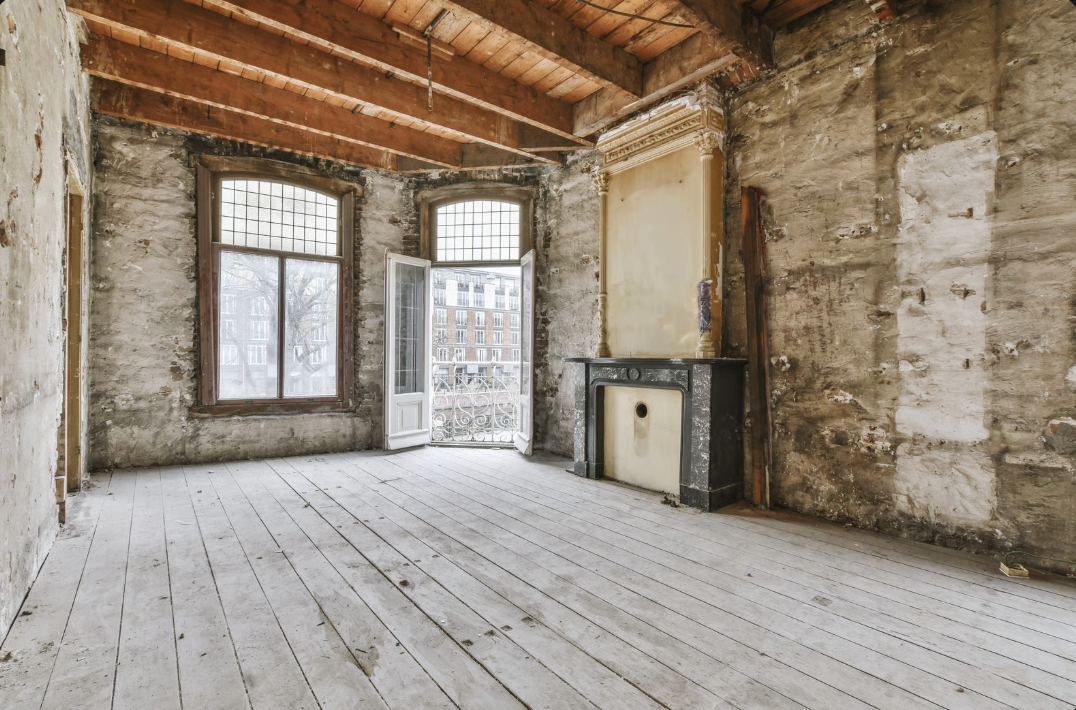
Distressed properties can create opportunities for real estate investors to acquire, renovate, reposition, or operate residential assets. These properties may have physical problems, financial pressures, legal complications, or operational challenges that reduce the number of potential buyers.
Distress does not automatically make a property undervalued or profitable. Deferred maintenance, title defects, liens, tenant issues, insurance limitations, and renovation costs can quickly offset an apparent discount. Investors should evaluate the property’s complete financial and legal position before making an offer.
A distressed property is generally affected by circumstances that make it difficult for the owner to maintain, finance, operate, or sell the asset through a conventional transaction.
Common sources of distress include:
An owner who has fallen behind on mortgage payments may receive a notice of default or become subject to foreclosure proceedings. The process, deadlines, and owner protections vary by state.
A property in foreclosure is not necessarily available for purchase. Investors should confirm the property’s status, applicable deadlines, and whether the owner still has the legal authority to sell.
Unpaid property taxes can result in tax liens or, depending on the jurisdiction, a tax-lien or tax-deed sale. Investors should understand exactly what is being sold because purchasing a lien is different from purchasing the property itself.
A bankruptcy filing can affect whether and how a property may be transferred. A sale may require the involvement of a trustee, creditors, or the bankruptcy court.
Investors should obtain qualified legal guidance and should not attempt to proceed around a bankruptcy restriction or court-supervised process.
A property may become distressed after an owner dies, particularly when heirs disagree, maintenance is deferred, or the estate lacks sufficient funds to carry the property.
The individual negotiating the transaction must have the legal authority to sell. Depending on the jurisdiction and estate structure, additional approvals may be required.
A property may deteriorate because of limited resources, prolonged vacancy, absentee ownership, or inadequate management. Visible problems can include damaged roofing, overgrown landscaping, boarded openings, accumulated mail, code violations, or disconnected utilities.
Serious defects may also be hidden. Foundation movement, water intrusion, mold, outdated wiring, failed plumbing, unpermitted construction, or environmental hazards may not be apparent during an exterior review.
Tax liens, mechanic’s liens, judgments, ownership disputes, missing heirs, boundary problems, and improperly recorded documents can complicate or prevent a sale.
Some issues may be resolved at closing, while others require legal action or make the transaction impractical.
A rental property can appear physically sound but still be distressed because of poor management, high vacancy, delinquent tenants, incomplete leases, excessive expenses, below-market rents, or unresolved habitability complaints.
Investors should distinguish between an operational problem that can be corrected and a structural market problem that may continue after acquisition.
An investor may need to sell after underestimating renovation costs, using too much debt, losing a contractor, exceeding the project timeline, or failing to achieve the expected rent or resale value.
These situations can create acquisition opportunities, but the buyer should independently validate every assumption rather than rely on the seller’s original business plan.
Distressed opportunities may be marketed publicly, identified through records, or sourced through professional relationships.
Depending on the jurisdiction, public records may provide information about:
Public records can identify potential leads, but they do not establish that an owner wants or is legally able to sell. Investors should verify the information before initiating contact.
Distressed properties may be marketed through:
Auction transactions can involve limited access, nonrefundable deposits, short closing periods, occupied properties, unresolved title issues, or restrictions on inspections. Investors should understand the terms before bidding.
Real estate agents, wholesalers, property managers, attorneys, contractors, title professionals, insurance agents, and lenders may encounter properties facing financial or operational challenges.
Building a reliable local network can help investors identify opportunities while also assembling the expertise needed to evaluate them.
Professionals must comply with their confidentiality, licensing, and ethical obligations. Investors should not expect them to disclose private information improperly.
Investors sometimes locate potential opportunities by observing neighborhoods, often called “driving for dollars.”
Possible indicators include:
Exterior observations should be made from public areas. Investors should not enter a property, open mail, disturb occupants, or otherwise trespass.
Direct mail, telephone calls, email, and other outreach may help investors contact property owners. All communications should be accurate, respectful, and compliant with applicable marketing, privacy, telemarketing, foreclosure-consultant, and consumer-protection laws.
The communication should make clear that the investor is seeking to purchase the property for their own account when that is the case. Investors should avoid misleading claims, artificial deadlines, pressure tactics, or promises that they can stop a foreclosure or eliminate debt.
Owners may be dealing with financial hardship, illness, divorce, death, job loss, tenant problems, or legal proceedings. Those circumstances require a professional and respectful approach.
An investor should focus on understanding the transaction rather than exploiting the owner’s urgency. Relevant questions may include:
Investors should not provide legal, tax, credit, or foreclosure advice unless qualified to do so. Owners should have an opportunity to consult their own professionals and understand the transaction before signing.
A discounted price provides limited protection when material problems remain undiscovered. Due diligence should address the physical asset, legal ownership, occupancy, operating history, and proposed business plan.
The review may include:
Purchasing an occupied property does not necessarily terminate an existing tenancy. Lease rights, notice requirements, relocation obligations, and foreclosure-related tenant protections depend on applicable law.
Investors should estimate value using recent and relevant comparable sales, supported rental data, and realistic assumptions about the property’s completed condition.
For a renovation project, the analysis may consider:
The after-repair value should reflect the property that can realistically be delivered—not the most expensive property in the neighborhood. Renovation quality, square footage, location, layout, parking, permitted use, and market conditions all affect the comparison.
Investors should also test a downside scenario involving higher costs, a delayed completion date, lower rent, or a reduced resale value. If a relatively small change eliminates the expected return, the proposed purchase price may not provide an adequate margin of safety.
Distressed properties can be purchased through several different processes.
The owner sells the property through a conventional purchase agreement. Existing liens and mortgages are generally addressed through the closing process.
The expected proceeds are insufficient to repay the mortgage or other secured obligations. One or more creditors may need to approve the sale and determine whether any remaining balance will be released or preserved.
Seller acceptance does not guarantee lender approval, and the process may take longer than a conventional transaction.
The property is sold through a foreclosure process. Inspection, financing, title protection, and occupancy information may be limited.
Auction rules vary significantly, and winning bidders may face strict deposit and payment deadlines.
When a lender or other creditor takes ownership after foreclosure, the property may be marketed as real estate owned, or REO. The seller may provide access for inspections, but the property is commonly sold as-is with limited representations.
The transaction may require estate, trustee, beneficiary, creditor, or court approval. The purchase agreement and closing timeline should account for those requirements.
The property’s condition, purchase process, closing timeline, and intended exit strategy influence which financing options may be available.
A cash offer may reduce financing-related contingencies and help accommodate a short closing period. It does not eliminate the need for inspections, title review, valuation, or a disciplined investment analysis.
Cash also concentrates the investor’s capital in one transaction and may reduce funds available for renovation and reserves.
Short-term renovation financing may be appropriate when an investor plans to acquire, improve, and sell or refinance the property.
CoreVest’s Fix-and-Flip Loan provides business-purpose financing for eligible single-family residences, condos, townhomes, and small multifamily properties. Financing may include eligible acquisition and renovation costs, with renovation funds generally released through draws as completed work is documented and approved.
Bridge financing may support an acquisition, renovation, lease-up, or repositioning strategy when the property does not yet qualify for long-term financing.
The lender may evaluate the property’s current value, completed value, renovation plan, borrower experience, liquidity, budget, timeline, and exit strategy.
Experienced investors pursuing multiple distressed acquisitions may benefit from establishing borrowing capacity in advance.
CoreVest’s Line of Credit supports eligible acquisitions, renovations, refinances, and property aggregation under one facility. Each proposed property remains subject to appraisal, underwriting, documentation, and approval.
An investor planning to hold the property may refinance into a rental loan after completing repairs and stabilizing occupancy.
Eligibility and loan proceeds will depend on factors such as the completed property value, qualifying rent, debt-service coverage, title, insurance, property condition, and borrower requirements. Investors should not assume that the anticipated refinance will be available on the expected terms.
A distressed-property investment should have a defined primary exit and one or more alternatives.
Potential strategies include:
The exit strategy should account for potential changes in interest rates, property values, construction costs, rental demand, and buyer liquidity. If the investment depends on a single optimistic outcome, the investor may have limited flexibility when conditions change.
Distressed properties can create investment opportunities, but distress alone does not establish value. The potential discount must be weighed against physical repairs, legal complications, title problems, occupancy issues, financing costs, and the time required to execute the business plan.
Successful investors approach these properties with conservative underwriting, qualified local professionals, adequate reserves, ethical seller communication, and multiple exit strategies.
CoreVest provides business-purpose financing for residential real estate investors, including fix-and-flip loans, bridge financing, lines of credit, construction financing, and long-term rental loans. Contact our team to discuss an upcoming acquisition or renovation opportunity.
This article is provided for informational purposes only and does not constitute legal, tax, accounting, investment, financial, real estate, foreclosure, bankruptcy, or lending advice. Property laws, foreclosure procedures, title requirements, financing availability, and investor obligations vary by jurisdiction and transaction. All loans are subject to underwriting, credit approval, eligibility requirements, and applicable terms and conditions.
CoreVest Finance | NMLS #1627183