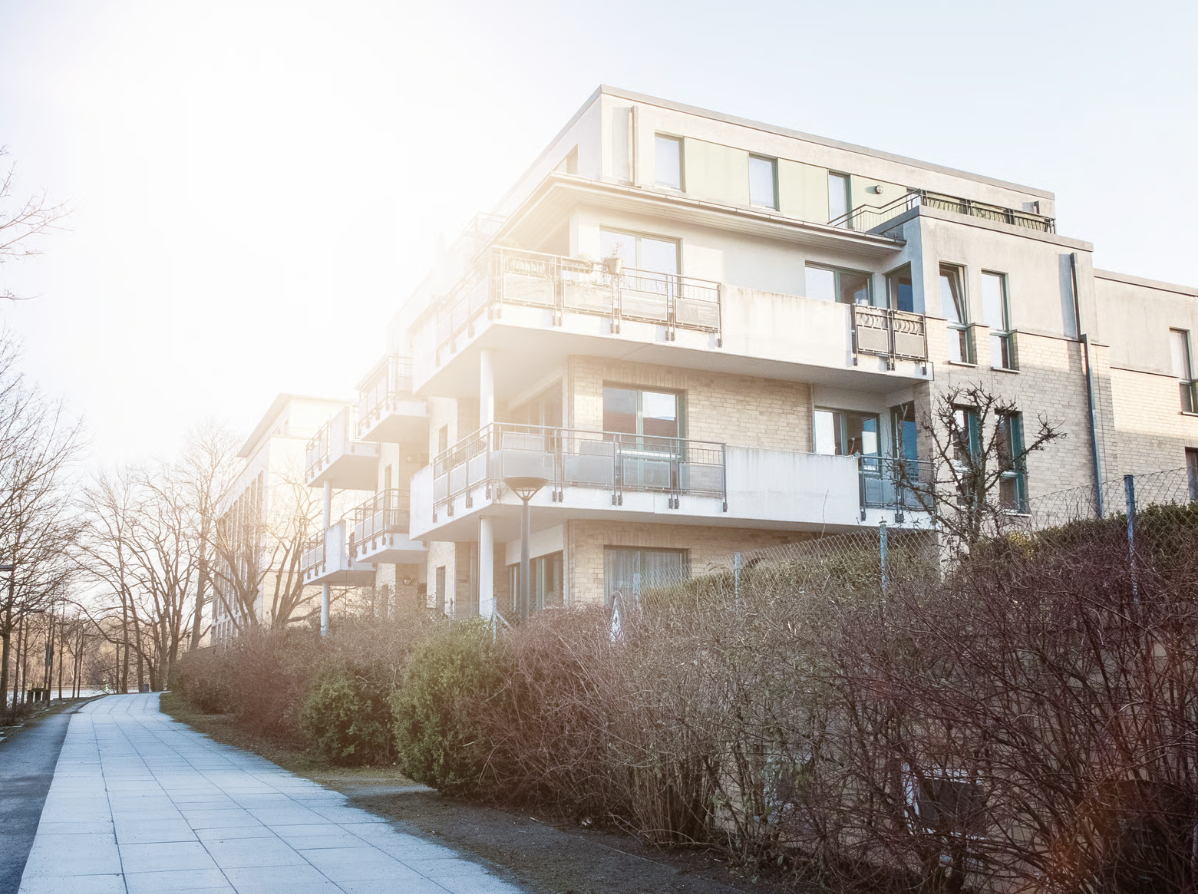
Condos can help real estate investors diversify their portfolios, often with less exterior maintenance than detached rental properties. They also require an additional layer of due diligence because the lender must evaluate both the individual unit and the condominium project.
A condo may be described as “non-warrantable” when the project does not satisfy the eligibility requirements used by Fannie Mae, Freddie Mac, or a particular conventional loan program. This does not mean the property cannot be financed. It means the investor may need a lender that evaluates condo projects outside conventional agency guidelines.
Project eligibility can be affected by:
These factors do not carry identical weight, and lender requirements vary. Current agency standards are outlined in the Fannie Mae Selling Guide.
“Broken condo” is an informal industry term commonly used for a project in which the developer did not sell all the units and retained a significant number as rentals.
High developer or single-entity ownership may limit conventional financing because it can concentrate voting power, assessment obligations, and resale risk. Private lenders may be able to consider these projects, but approval still depends on the project’s financial condition, insurance, physical condition, ownership concentration, and investment performance.
A condo conversion occurs when an existing property—often an apartment building—is legally divided into individually owned condominium units.
Newly converted projects may have limited operating histories, incomplete unit sales, continuing developer control, or newly established HOAs. These conditions can make agency approval more difficult. Investors should review the conversion documents, property condition, HOA budget, reserves, insurance, completed sales, and any remaining construction obligations.
A project with substantial investor ownership is not automatically ineligible. However, high ownership concentration by one entity, hotel-like rental operations, or restrictions on an owner’s use of the unit can create financing concerns.
New developments released in phases may also receive additional scrutiny when construction remains incomplete or the developer continues to control the association. Similarly, an older project with vacant units may require further review to determine whether vacancies are caused by renovations, deferred maintenance, financial distress, or weak demand.
Before purchasing a condo, investors should review:
Investors should also confirm financing eligibility before waiving contingencies or committing nonrefundable funds.
A non-warrantable designation does not necessarily make a condo a poor investment. It indicates that the project presents characteristics requiring a different underwriting approach.
CoreVest provides business-purpose financing for residential real estate investors and can consider eligible condo transactions that may not fit conventional agency programs. Every unit and project remains subject to underwriting, valuation, insurance, financial review, and loan-program requirements.
Contact our team to discuss financing for an upcoming condo investment.
This article is provided for informational purposes only and does not constitute legal, tax, investment, financial, real estate, or lending advice. Condo eligibility, documentation, leverage, pricing, and loan availability vary by borrower, property, project, loan program, and transaction. All loans are subject to underwriting, credit approval, eligibility requirements, and applicable terms and conditions.
CoreVest Finance | NMLS #1627183