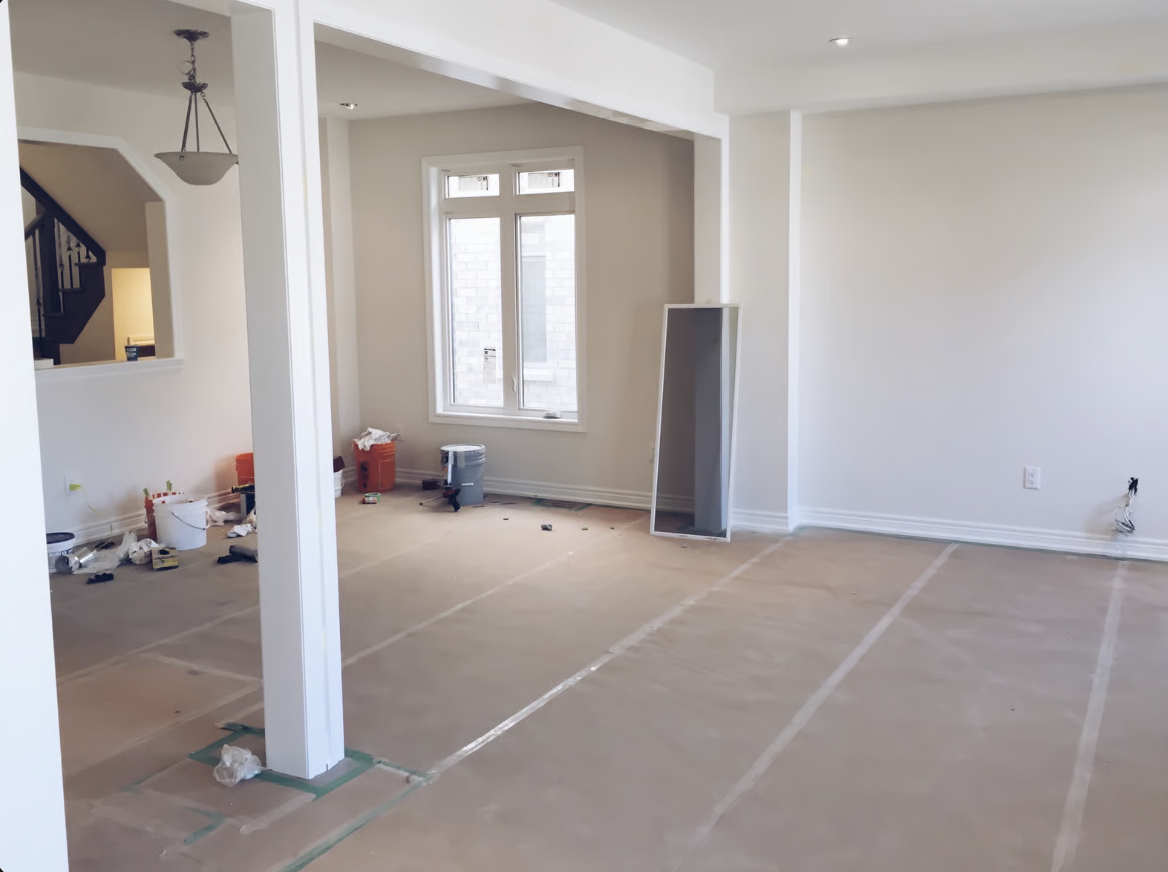
A property in need of repairs may offer an attractive investment opportunity, but financing the acquisition is only part of the equation. Investors also need capital to complete renovations, cover carrying costs, manage unexpected expenses, and execute a sale or rental strategy.
A rehab loan can combine eligible acquisition and renovation costs within one financing structure. These loans are commonly used by fix-and-flip investors and rental-property owners acquiring homes that are not yet ready for sale, lease-up, or permanent financing.
Rehab financing can provide useful leverage, but it does not eliminate construction or investment risk. Success depends on accurate valuation, a complete renovation budget, reliable contractors, adequate liquidity, and a realistic exit strategy.
A rehab loan is financing designed for the purchase or refinance of a property that requires repairs or improvements.
Depending on the program, loan proceeds may cover:
The acquisition proceeds are generally funded at closing. Renovation funds are commonly held back and released through draws as the work is completed and verified.
A rehab loan is not necessarily a long-term mortgage. Many investor rehab loans are short-term, business-purpose loans intended to be repaid through a sale or refinance after the project is complete.
The lender evaluates both the property in its current condition and the proposed renovation.
Underwriting may consider:
The loan amount may be limited by loan-to-cost, current value, after-repair value, or a combination of these measurements.
High projected value does not guarantee that the lender will finance the entire acquisition or renovation budget.
Loan-to-cost, or LTC, compares the loan amount with eligible project costs.
LTC = Loan amount ÷ Eligible project cost
Depending on the program, eligible cost may include the purchase price and approved renovation expenses.
After-repair value, or ARV, is the estimated market value of the property after the proposed work is completed.
ARV should be supported by comparable renovated properties and the actual scope of work. It is not calculated by simply adding renovation expenses to the purchase price.
A lender may use an appraisal that provides both an as-is value and an as-completed value.
Fix-and-flip loans are designed for non-owner-occupied properties being acquired or renovated for resale.
These loans commonly offer:
Terms vary by lender. Investors should compare leverage, rate, fees, maturity, draws, recourse, extension options, and prepayment provisions.
An investor may acquire and renovate a property with the intention of retaining it as a rental.
The initial rehab loan is generally temporary. After construction and lease-up, the investor may refinance into a long-term rental or DSCR loan.
The permanent refinance depends on the completed value, rental income, seasoning, credit, liquidity, and applicable program requirements. Investors should evaluate the anticipated refinance before acquiring the property.
Experienced investors with multiple acquisitions or renovations may use a revolving credit facility.
A line of credit can provide reusable capital for qualifying projects, but establishing the facility requires underwriting. Each property may also require an appraisal, title review, insurance, and individual approval.
Private money may come from an individual investor, fund, or lending company. The term does not describe one standardized product.
Private loans may differ substantially in:
Borrowing from friends or relatives should still involve written loan documents, clearly defined repayment terms, and appropriate legal and tax advice.
Some banks and mortgage companies offer renovation financing. Eligibility, occupancy, documentation, property requirements, and construction procedures vary by program.
Consumer renovation mortgages should not be confused with business-purpose investor rehab loans.
The FHA 203(k) program combines the purchase or refinance of an eligible home with financing for approved repairs. It offers Standard and Limited versions, depending on the scope of work.
However, FHA single-family programs are generally intended for principal residences. An FHA 203(k) loan should not be presented as a general financing option for a non-owner-occupied fix-and-flip or rental investment.
An owner-occupant purchasing and renovating an eligible primary residence may consider the program through an FHA-approved lender. That is materially different from an investor acquiring a property for resale or rental.
CoreVest does not provide FHA 203(k) or other consumer, owner-occupied mortgage financing.
A rehab loan may combine acquisition and renovation financing, reducing the need to arrange separate loans for each stage.
Financing eligible project costs can allow the investor to retain capital for reserves, carrying expenses, or additional opportunities.
Investor-focused lenders can evaluate the property’s proposed completed condition rather than requiring it to qualify as a stabilized home at closing.
A defined draw process and inspections can provide additional documentation of project progress. The investor remains responsible for contractor management, quality control, budget, and completion.
If the completed property is retained as a rental, it may qualify for permanent financing after renovation and stabilization.
If the project exceeds its approved budget, the borrower may need to contribute additional capital. Contingency funds are not automatically available, and any changes may require lender approval.
Renovation funds may be reimbursed only after work has been completed and inspected. Investors may need enough liquidity to pay deposits, materials, contractors, and other expenses before receiving a draw.
Investor rehab loans are typically temporary. Delays can create extension costs, additional interest, or difficulty repaying the loan at maturity.
The completed property may appraise or sell below the original ARV estimate.
Poor workmanship, contractor disputes, scheduling problems, liens, and incomplete work can increase costs and delay the exit.
Buyer demand, rents, interest rates, insurance, and property values may change while the project is underway.
The property secures the loan. Default may allow the lender to exercise remedies against the collateral and, depending on the documents, the borrower or guarantor.
A reliable budget starts with a detailed property inspection and scope of work.
Evaluate major components such as:
Specialized inspections may be appropriate depending on the property.
The scope should identify:
When practical, obtain bids from multiple qualified contractors. Confirm that each bid covers the same work and includes labor, materials, permits, disposal, overhead, and other project costs.
Contractor licensing, insurance, references, experience, and availability should be evaluated in addition to price.
Unexpected conditions are common, particularly in older or distressed properties. The appropriate contingency depends on the building’s condition, project complexity, and amount of investigative work completed before closing.
Although procedures vary, a typical draw process includes:
Documentation may include:
Investors should understand whether the loan reimburses completed work or advances funds beforehand.
Evaluate the purchase price, current condition, title, renovation scope, projected value, and exit strategy.
The lender may request:
Compare the proposed loan amount, borrower contribution, rate, fees, term, draws, recourse, prepayment provisions, and extension options.
A preliminary term sheet is not the same as final approval.
The transaction may require an appraisal, title work, insurance, legal documentation, entity review, property inspections, and other reports.
At closing, acquisition or refinance proceeds are disbursed according to the loan documents. Renovation funds may be held for later draws.
The borrower manages the contractor, construction schedule, permits, budget, inspections, and draw requests.
After the project is complete, the investor generally sells the property or refinances into long-term rental financing.
Look for a lender that regularly finances residential investment-property renovations and understands construction draws, ARV, and investor timelines.
Ask who makes the credit decision and whether the lender directly controls its capital, underwriting, and closing process.
Compare:
Ask how draws are requested, which documents are required, who orders inspections, what fees apply, and how quickly approved requests are funded.
Determine who will manage the loan during construction and how budget changes, delays, or contractor issues will be handled.
CoreVest’s Fix-and-Flip Loan provides business-purpose acquisition and renovation financing for qualified residential real estate investors.
Current program features include:
Eligible rehab expenses are reimbursed after completed work is documented and inspected. Approved draw proceeds are generally wired within two to five business days.
All loan amounts, leverage, timelines, and draw requests are subject to eligibility, documentation, underwriting, inspection, and credit approval.
For experienced investors managing multiple acquisitions or renovation projects, CoreVest’s Line of Credit provides a revolving source of business-purpose capital.
Current program features include:
A CoreVest line of credit generally takes approximately four to six weeks to establish. Once the line is active, underwriting, appraisal, and funding for an eligible property may be completed in as little as seven to ten business days.
A standard bridge loan may provide short-term acquisition or refinance financing without substantial construction proceeds. A rehab loan includes a renovation component and draw process.
Investors should not assume that every bridge loan will finance construction. If the property requires significant work, the loan should be structured specifically for renovation expenses.
Yes. Business-purpose rehab loans are specifically available for qualifying non-owner-occupied investment properties. Consumer programs have different occupancy requirements.
FHA 203(k) financing is generally intended for eligible principal residences. It should not be marketed as a standard loan for fix-and-flip or non-owner-occupied rental investments.
No. Eligible costs depend on the lender and loan documents. The scope and budget must generally be approved before funding.
Not always. Many investor rehab loans reimburse eligible costs through draws after the work is completed and inspected.
The investor may need to contribute additional funds. A lender may review changes, but additional financing is not guaranteed.
Timing varies by lender and transaction. CoreVest states that its Fix-and-Flip Loans typically close within approximately two weeks, subject to appraisal, title, documentation, insurance, and underwriting.
No. Renovations may improve value, but the completed appraisal and eventual sale price depend on market conditions, comparable properties, quality, and buyer demand.
Potentially. The property must satisfy the permanent lender’s requirements for value, condition, rental income, DSCR, seasoning, credit, and liquidity.
A rehab loan can provide the acquisition and renovation capital needed to transform an eligible investment property. It does not, however, eliminate the need for a detailed scope, reliable contractor, adequate liquidity, or realistic exit.
Before selecting a loan, investors should evaluate the full cost of the project, construction-draw requirements, maturity, value assumptions, and contingency plan.
CoreVest offers business-purpose Fix-and-Flip and Line of Credit programs designed to support qualified residential real estate investors through acquisition and renovation.
Contact CoreVest to discuss which financing structure may fit your next eligible project.
Disclaimer: CoreVest makes commercial, business-purpose loans. Loans are for investment purposes only and not for personal, family, or household use. Loan product availability may be limited in certain states. This is not a commitment to lend. All loans are subject to borrower underwriting and credit approval, in CoreVest’s sole and absolute discretion. Other restrictions apply. This article is for informational purposes only and does not constitute financial, tax, or legal advice.
NMLS Number 1627183