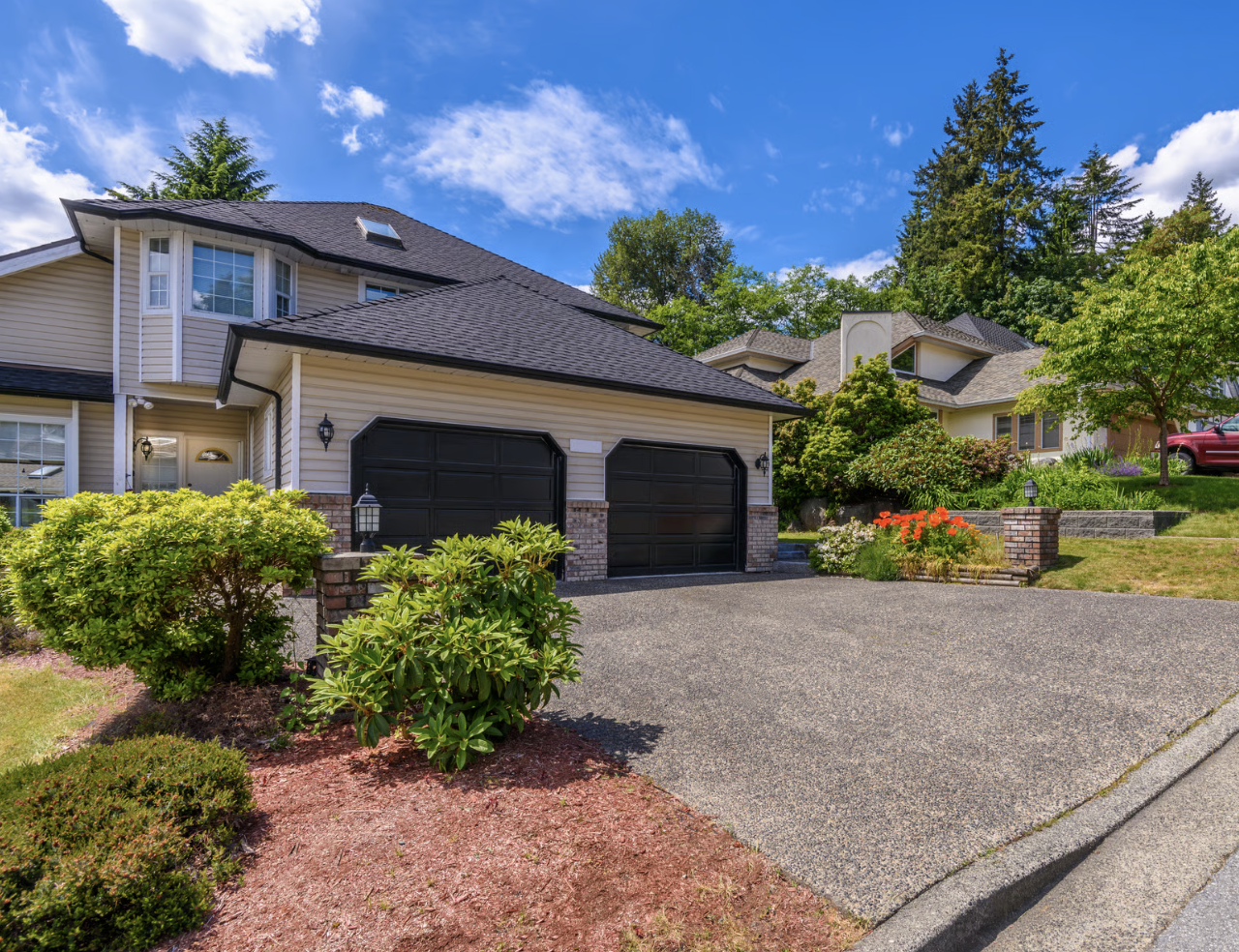
Single-family rentals have grown from a fragmented investment niche into an established residential real estate strategy. However, today’s market is not uniform. Higher acquisition costs, changing rent growth, and local supply conditions make disciplined property selection increasingly important.
Many households rent single-family homes for reasons beyond affordability. Renting can provide additional space, neighborhood access, and flexibility without the long-term commitment and maintenance responsibilities of ownership.
These preferences help support demand, but investors should evaluate each market independently rather than rely on broad national trends.
Investment opportunities are not limited to major urban centers. Population shifts, employment growth, housing supply, taxes, insurance costs, and local regulations can create different conditions across metropolitan areas and surrounding communities.
Investors considering new markets should evaluate:
Single-family rentals may provide attractive income and diversification, but higher home prices have compressed potential yields in many counties. According to ATTOM’s 2026 Single-Family Rental Market Report, projected rental yields declined year over year in more than half of the counties analyzed.
Successful investors therefore need to underwrite conservatively, account for operating and capital expenses, and avoid assuming that past appreciation or rent growth will continue.
The appropriate financing structure depends on the number of properties, their cash flow, and the investor’s long-term plans. CoreVest offers DSCR financing for individual rental properties and portfolio loans for investors financing five or more properties or units.
Before selecting a loan, investors should compare leverage, debt service, reserves, recourse, prepayment provisions, and flexibility to add or release properties.
Single-family rentals can provide income and long-term growth potential, but performance varies considerably by property and market. Careful underwriting, experienced local partners, and financing aligned with the investment strategy remain essential.
Speak with a CoreVest loan specialist about financing your next rental property or portfolio.
This article is for informational purposes only and does not constitute financial, legal, tax, investment, or lending advice. Loan programs and terms are subject to underwriting, eligibility requirements, and credit approval.
CoreVest Finance | NMLS #1627183