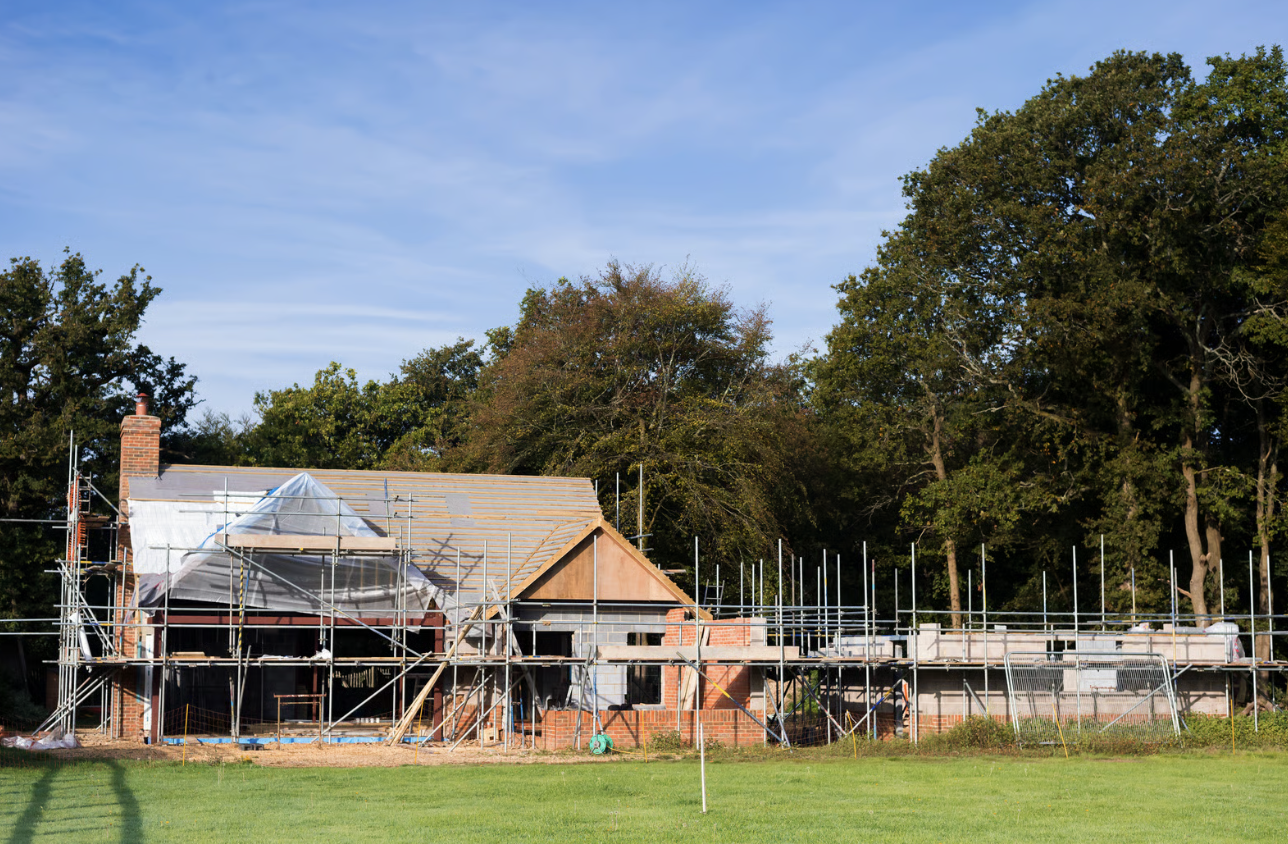
Build-to-Rent—or BTR—refers to homes constructed specifically for rental use rather than individual sale. These developments are typically professionally managed communities of single-family homes or townhomes, sometimes with shared amenities such as walking paths, fitness centers, pools, or gathering spaces.
BTR has become an established segment of the rental market by offering residents more space and privacy without the financial and maintenance responsibilities of homeownership.
BTR construction has moderated as developers navigate higher financing costs, construction expenses, and competition from newly delivered multifamily housing. However, the sector remains larger than its historical baseline.
According to the National Association of Home Builders, approximately 63,000 single-family BTR homes started construction during the four quarters ending in June 2026. That was 16% below the previous four-quarter period, but BTR’s share of single-family construction remained just under 7%—well above its 2.7% historical average. These figures exclude some homes built and sold to third-party rental operators, meaning the total sector may be larger. View the NAHB analysis.
A purpose-built rental community may offer several potential advantages:
For builders, BTR can provide an alternative to selling homes individually. Developers may retain and operate the completed community, sell it to a rental investor, or establish a partnership before construction begins.
These projects still carry significant risks. Land, labor, materials, financing, lease-up, and operating costs must be carefully evaluated before development begins.
BTR communities can serve households that want the features of a single-family home but prefer to rent. Residents may include families seeking additional bedrooms or outdoor space, professionals relocating for work, and households that value flexibility or are not prepared to purchase a home.
Common BTR property types include:
BTR can add needed housing supply, but it should not automatically be considered affordable housing. Rent levels depend on land and construction costs, market demand, location, amenities, and operating expenses. The Urban Institute notes that BTR can support new housing supply while broader policies are still needed to address housing affordability.
Many BTR developments are located in suburban areas near growing employment centers, schools, transportation, retail, and recreation. Before selecting a market, investors should analyze:
The presence of population growth alone does not guarantee project success. Investors must determine whether achievable rents can support construction costs, operating expenses, and debt service under conservative assumptions.
BTR projects require financing that aligns construction funding with the developer’s stabilization and long-term ownership strategy.
CoreVest’s Build-to-Rent Loan provides construction and permanent financing through one lender for qualifying single-family and townhome communities. Current program features include:
Build-to-Rent remains an important part of the residential rental market despite a slower pace of new construction. For experienced developers and investors, it can provide a scalable way to add housing, create operating efficiencies, and build a professionally managed rental portfolio.
Success depends on disciplined site selection, realistic construction and lease-up assumptions, experienced management, and a financing structure aligned with the complete business plan.
Contact CoreVest to discuss financing for an upcoming Build-to-Rent community.
This article is provided for informational purposes only and does not constitute legal, tax, accounting, investment, financial, real estate, or lending advice. Financing availability, leverage, terms, property eligibility, and project results vary by borrower and transaction. All loans are subject to underwriting, credit approval, eligibility requirements, and applicable terms and conditions.
CoreVest Finance | NMLS #1627183